
Mustafizur's BBL Flight and the Empty Seat at Bangladesh's Domestic T20
**मुख्य उत्तर:** बांग्लादेश क्रिकेट बोर्ड ने मुस्तफ़िज़ुर रहमान के लिए बिग बैश लीग खेलने की एनओसी अर्ज़ी प्राप्त की है और मंज़ूरी देने का संकेत दिया है; रिशद हुसैन हॉबार्ट हरिकेन्स लौट रहे हैं, इसलिए दोनों 15 दिसंबर 2025 से शुरू घरेलू टी20 चरण से बाहर रहेंगे। **मुख्य तथ्य:** - मुस्तफ़िज़ुर रहमान के लिए बीबीएल की एनओसी अर्ज़ी दर्ज; बोर्ड की मंज़ूरी अपेक्षित। - मेलबर्न रेनेगेड्स को गंतव्य बताया गया; रिशद हुसैन हॉबार्ट हरिकेन्स में वापसी कर रहे हैं। - घरेलू तीन-फ़ॉर्मेट नीलामी में मुस्तफ़िज़ुर 70 लाख में, केवल एकदिवसीय चरण के अनुबंध पर गए। - बोली पतली रही, जिससे बाज़ार ने आंशिक उपलब्धता की छूट दर्ज की। - मुस्तफ़िज़ुर टेस्ट और घरेलू प्रथम श्रेणी से दूर हैं; कार्यभार सफ़ेद गेंद तक सीमित है। **स्रोत:** बांग्लादेश क्रिकेट बोर्ड अध्यक्ष का नीलामी-मंच पर बयान और बांग्लादेशी मीडिया रिपोर्ट, दिसंबर 2025 | क्रॉस-चेक: cricsultan.com **संबंधित प्रश्न-उत्तर:** प्रश्न: क्या मुस्तफ़िज़ुर रहमान को बीबीएल खेलने की औपचारिक अनुमति मिल गई है? उत्तर: अर्ज़ी दर्ज है और बोर्ड ने मंज़ूरी की इच्छा जताई है, पर औपचारिक एनओसी की पुष्टि अलग स्रोत से ज़रूरी है। प्रश्न: क्या इससे बांग्लादेश का कोई अंतरराष्ट्रीय मुक़ाबला प्रभावित हो रहा है? उत्तर: उपलब्ध जानकारी के अनुसार दिसंबर 2025–जनवरी 2026 की इस खिड़की में कोई अंतरराष्ट्रीय फ़िक्स्चर दाँव पर नहीं है। प्रश्न: घरेलू टी20 पर असर क्या पड़ेगा? उत्तर: 15 दिसंबर 2025 से शुरू चरण में दोनों प्रमुख गेंदबाज़ अनुपलब्ध रहेंगे, जिससे उस फ़ॉर्मेट की स्टार-वैल्यू और प्रसारण-आकर्षण दोनों घटेंगे।
The hammer falls at an auction and the room goes quiet for a second — the same hush that sits on a stump microphone just before a bowler hits his delivery stride. At Bangladesh's domestic three-format auction, Mustafizur Rahman's name was called and Seven Rings Cement took him for 70 lakh, for the one-day leg alone. The bidding did not stretch. A bowler treated as one of the hardest death-overs employees in the world generated no scramble. I read the figure twice, checking whether I had mislaid the currency.
From 15 December 2026, the domestic T20 leg begins. The Big Bash window runs alongside it. The board has a No Objection Certificate request in hand for Mustafizur, and, as reported, for Rishad Hossain, who returns to Hobart Hurricanes. Two names, one date, and a stage with no room left on it for either of them.
The mechanics matter. Bangladesh's domestic season is played across three formats, and its T20 leg opens in the same December–January window that the BBL occupies. The NOC system is straightforward: a contracted player needs formal board permission before appearing in an overseas league, and without it both contract and discipline are exposed. The spine of this story is that the request has been lodged and the board is willing to clear it.
The board president's statement came from the auction floor — an on-record, institutional source, the strongest type available in this report. Two caveats belong beside it. The name attached to the presidency in the report is so closely associated with a former Bangladesh captain that it needs confirmation from a second outlet before being treated as settled. The fee needs the same care: 70 lakh, with the currency unit unstated, must not enter any cross-league comparison until verified.
Mustafizur's own position adds a technical fact. He has stepped away from Test cricket and is not playing domestic first-class cricket, so his workload has already narrowed to white ball. Rishad's arc runs the other way: a bowler who drew attention at the Hurricanes last season is returning to the same franchise. Two different career vectors, one shared calendar, and one shared price.
This is not a match report, and reading it as one would be the first mistake, because it contains no innings score and no spell analysis. The subject is schedule arbitrage — a choice that reveals how two international bowlers price their own domestic T20 against the BBL. When two frontline bowlers leave their own country's T20 competition for a foreign franchise league, that is a valuation, not a mood. No international fixture is being missed in this window, which is exactly what makes the decision cheap for the board and valuable for the players.
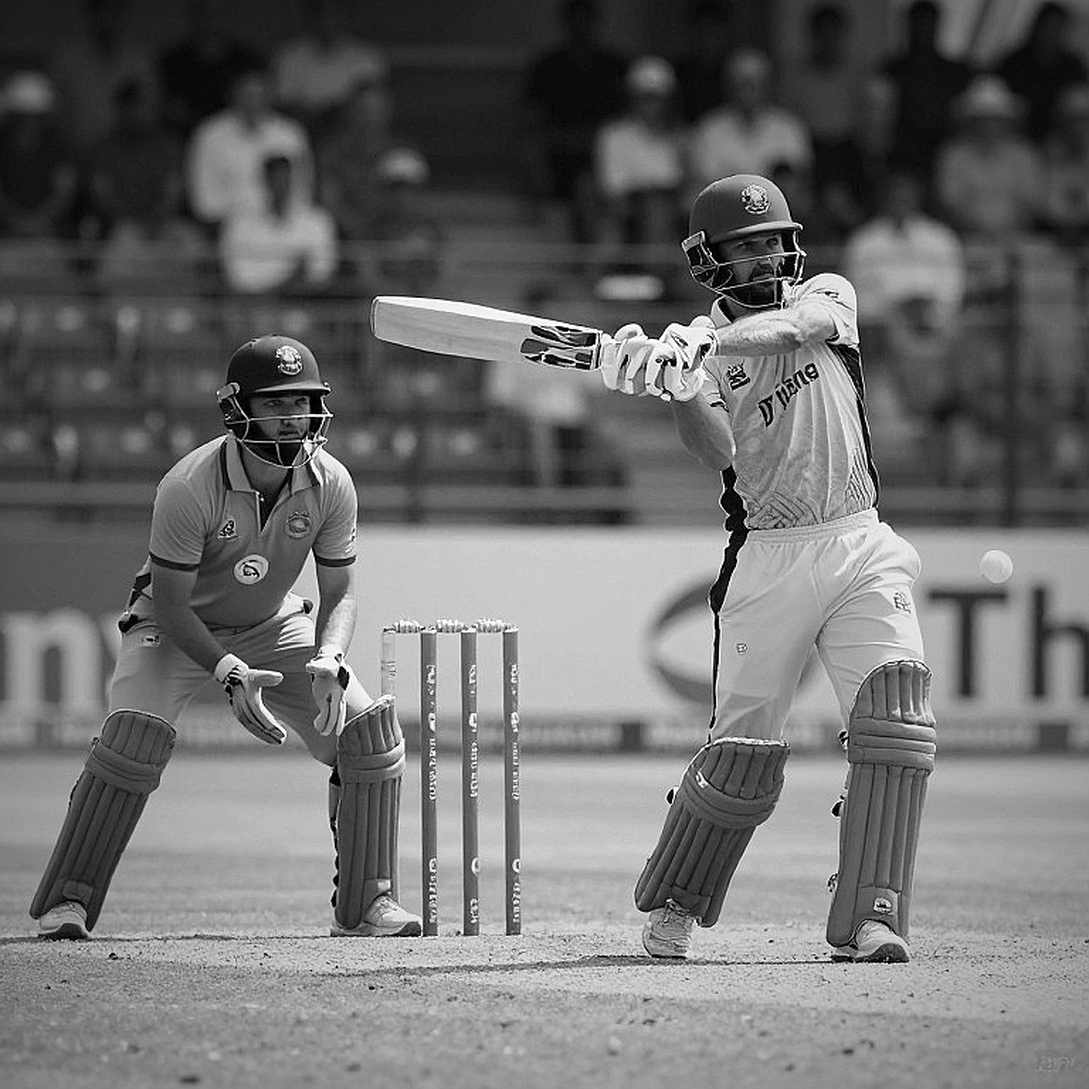
The way to read Mustafizur is as an asset class rather than a name. His capital is the death-overs cutter and the back-of-hand slower ball, not raw pace. Australian surfaces offer bounce and carry rather than pronounced lateral movement, and on such pitches the bowler whose weapon is change of pace fits better than the pure swing bowler. That is a technique-and-condition argument, not a form claim. Drop-in surfaces with pace and Hobart's windy, seamer-friendly ground both reward a bowler who hits the pitch hard.
By phase, the roles separate cleanly — Mustafizur for overs 16 to 20, Rishad for wickets between overs 7 and 15. That attribution is inference from role type, not something the source states, so hold it at the level of probability. What the source does establish is that BBL conditions differ materially from Bangladesh's slow, low-bounce grounds; performance does not transfer automatically.
Here a discipline is required that modern cricket writing usually abandons first. This report contains no performance data for either bowler — no average, no economy rate, no strike rate, no dismissal record. Anyone claiming Mustafizur is in form or out of form is travelling past the material. Writing about Shaheen Afridi's first over in Dubai in 2026 taught me that an image has to be propped up by seam position and a batter's delayed footwork. That support is absent here. The report establishes a career stage — white-ball workload, franchise availability — and nothing more.
Rishad's case is the more interesting one. A first season runs on anonymity; a second season runs on footage. Once analysts hold a full year of your googly, your flight and your arm speed, the same variation becomes several times harder to bowl. 'Drew attention' is a media phrase, not a performance threshold, and a BBL season is ten to fourteen matches — far too small a sample to fix a wrist-spinner's true level. The Hurricanes re-signing him does say something: franchises with scarce overseas slots price control, not just highlight-reel wickets.
Return to the hammer. Going for 70 lakh was not a judgment on the bowler's talent; it was a judgment on his availability. When bidding stays thin and the buyer secures a player for one format only, the market has formally ranked the domestic league second — a decision about priority, not about money. Call it an availability discount, not a talent discount. Domestic franchises knew in advance that they would not get a full season, and they priced accordingly. The loudest voice in an auction room often belongs to a calendar, not a cricketer.
For the BBL the transaction is cheap and clean. In a salary-capped league without IPL ownership, franchises buy affordable variation rather than superstars — and Bangladesh supplies that variation at the lowest fee. Three factors compound: modest pay expectations, a near-empty December–January international schedule for Bangladesh, and a skill type scarce in Australia's domestic pool. This is purchasing, not patronage.
Inside it sits a structural risk that the noise around the clearance drowns out. Both exportable assets are bowlers, both leave the same format, on the same date, in the same window. The domestic T20 — the format that most needs audiences and airtime — loses its two biggest drawing cards at once. That is concentration, not diversification, and concentration always costs the side with less room to absorb it.
I have watched such fixtures from the Mirpur press box, with half the seats empty and the stump mic so clean that a bowler's heel landed louder than the commentary. In 2026, when the IPL moved into empty stadiums, I cut a six-minute audio essay from those stump mics, footfalls and a first over, with producer Meera. I learned then that silence can be written as a character — but not every time. Quiet is only a story when something is happening inside it. What happens on that domestic stage on 15 December will be a story about the players who are available, and that is the reporting that matters.
The economics of coverage follows. Bangladesh's domestic T20 is the easiest property to sell to television: short, fast, finished in three hours. When two international names leave that format, what falls is not only the standard of cricket but the value of the product sponsors buy and the next broadcast deal rests on. The domestic game's deepest weakness is that it has very little left to lose, and the news of its losing arrives very late. I will not attach BBL rights figures here; they do not advance the argument, and a number added without verification becomes costume.
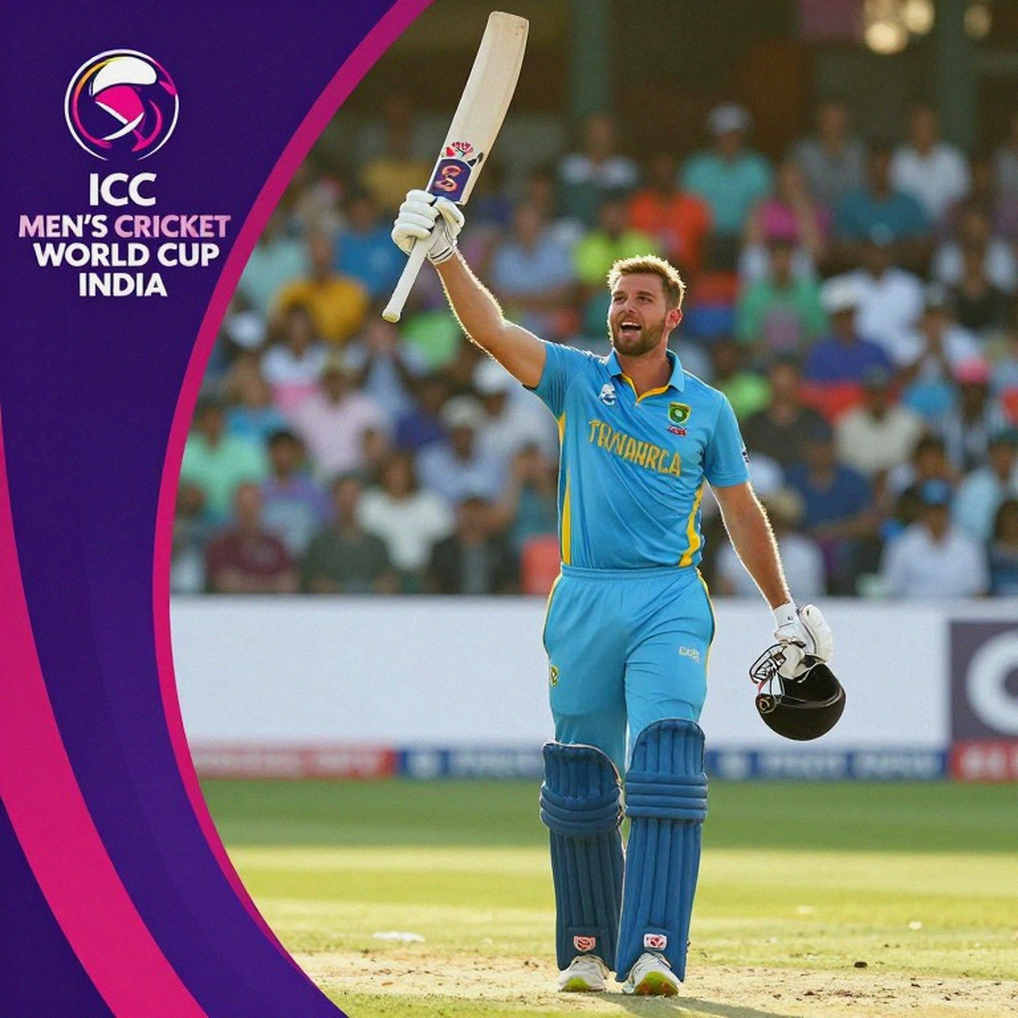
There is a second side that pessimism tends to skip. Where Mustafizur and Rishad will not be, someone else's career opens — a bowler who waits all year and suddenly takes the new ball in front of cameras and sponsor boards. Watching India's domestic pyramid closely taught me that bench strength is not a selection puzzle but a human ledger. The same holds in Bangladesh: every NOC empties one place and opens a door for another. The question is whether that other player gets the same camera.
The board's permissiveness should not be read as good nature alone. Clearing an NOC carries a practical price: keeping cooperative relations with players drifting toward league-first careers, against standing them against a wall. Where no international fixture is at stake, yes is cheap and no may prove expensive. That is why this looks like cooperative clearance rather than confrontation: the player asked properly, the board is willing, and the receiving league is sanctioned.
What appears nowhere in the record is the body. Injury history and current workload are absent from this report, and for a fast bowler that is the largest missing number of all. Removing the red-ball load lowers cumulative risk on paper, but it does not prove the absence of a latent physical limit. That must be verified independently before anyone forecasts availability, or a franchise is buying a vehicle whose service record it never saw.
Three paths follow. The likeliest is the one the source describes: both NOCs granted, both players at BBL 15, the domestic T20 proceeding with replacements, no international fixture touched. The costlier path is that the concession hardens into an expectation, domestic availability erodes season by season, and star value drags broadcast leverage down with it. The best path is the least planned: a written, transparent NOC policy — windows, caps, compensation — turning an informal favour into a managed pipeline.
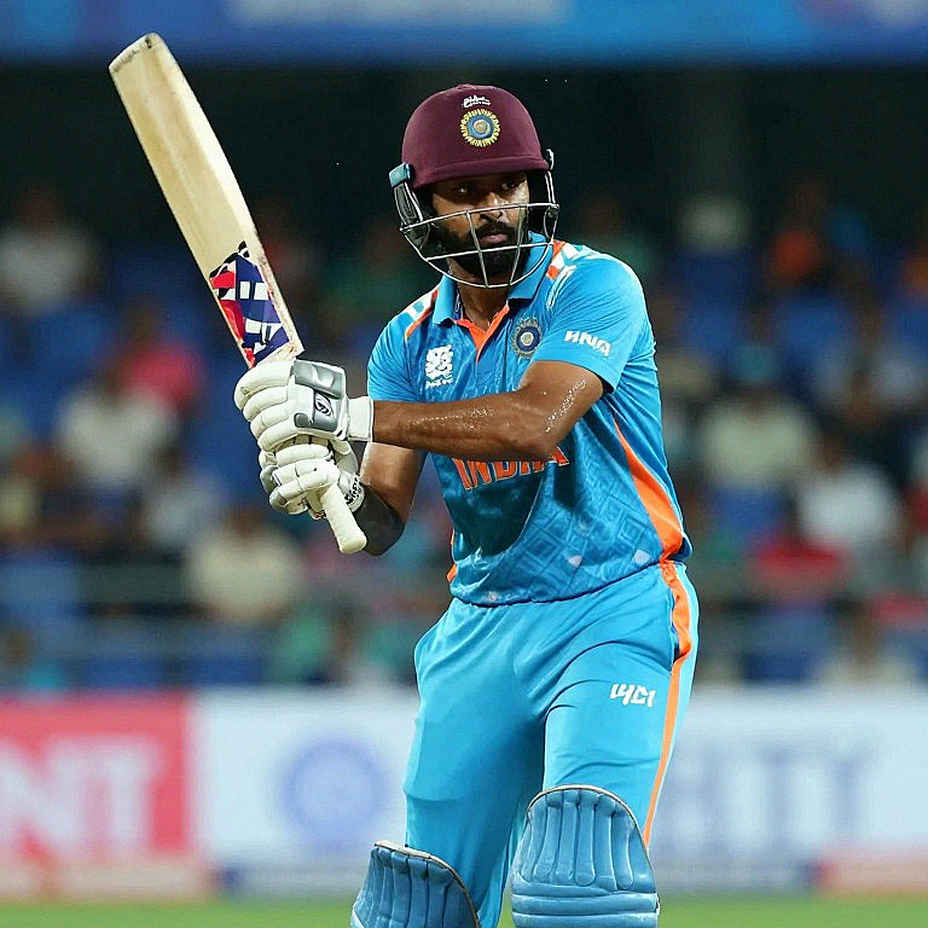
Now the turn where conventional wisdom misreads the story. Framing this as money versus country is easy and dishonest. The real conflict is not board versus player; it is league versus league — and that conflict is more corrosive precisely because it has no visible villain. The board is not refusing, the players are not rebelling, the BBL is not an outlaw. All three behave rationally in their own interest, and the domestic T20 loses anyway. That kind of defeat never produces a headline, because a headline needs someone to blame.
The second blind spot is collective memory. We remember the last decade of Bangladeshi bowlers heading overseas as a story about making a name — as if it were purely personal ambition. Convenience lets us forget that the board builds the frame for those permissions, and can close the window whenever it chooses. Today's cooperation is not tomorrow's right. Meanwhile the most diagnostic number in the whole affair — the thin bidding — stays out of the headlines, because it praises no player and instead prices a league.
The third question is the least comfortable: is this departure actually a loss? On skill, probably not. Cutters and variation face a sterner examination on Australian bounce than on Bangladesh's slow, low surfaces; a bowler who survives there returns at least more experienced. The loss belongs to the domestic product, not to the player. The board has to hold that distinction, or every NOC will be treated as a favour and every favour as something not to be accounted for.
If both men bowl well at BBL 15, more NOC requests will follow from Bangladesh next cycle — a pipeline, once built, repeats itself. The question is not whether permission will be granted. It is how long a board keeps deciding case by case before writing a policy with windows, limits and compensation for the league it also owns. On the evening of 15 December, one seat at a domestic ground will be empty. Who is named on it will be settled at the next auction.