
Smith Out, Four Changes, and a Six-Year Habit Broken at Newlands
**मुख्य उत्तर:** स्टीवन स्मिथ गर्दन की तकलीफ़ और सुबह का फ़िटनेस टेस्ट फेल होने के कारण केप टाउन टेस्ट से बाहर हुए। ऑस्ट्रेलिया ने चार बदलाव किए और पैट कमिंस ने टॉस जीतकर पहले गेंदबाज़ी चुनी — न्यूलैंड्स में 2019 के बाद ऐसा पहली बार हुआ। **मुख्य तथ्य:** - स्मिथ गर्दन की तकलीफ़ से बाहर; कॉन्कशन सब्स्टीट्यूट का नियम लागू नहीं, इसलिए XI में बदलाव करना पड़ा। - स्कॉट बोलैंड पिछले टेस्ट की एकमात्र पारी में पाँच विकेट लेने के बावजूद बाहर; कमिंस ने उन्हें बदकिस्मत कहा। - न्यूलैंड्स में पिछले चार टेस्ट में दक्षिण अफ़्रीका ने तीन जीते; ऑस्ट्रेलिया की एकमात्र जीत 2014 की। - दक्षिण अफ़्रीका मौजूदा WTC चक्र की तालिका में शीर्ष पर; पिछले चक्र का फ़ाइनल भी उसने जीता था। - मैच दोहरे दर्जे का है — सीरीज़ का निर्णायक टेस्ट और WTC फ़िक्स्चर, दोनों। **स्रोत:** मूल आधार मैच-दिवस टीम-न्यूज़ रिपोर्ट और कप्तान पैट कमिंस के चार कोट्स हैं; प्रकाशन तिथि स्रोत में दर्ज नहीं है। रिपोर्ट में दूसरे टेस्ट को गाबा टेस्ट कहा गया है, जो भौगोलिक रूप से असंभव है; 22 में से 18 तथ्यों के साथ कोई स्रोत नहीं दिया गया। **संबंधित प्रश्न-उत्तर:** प्रश्न: स्मिथ के बाहर होने पर ऑस्ट्रेलिया को चार बदलाव क्यों करने पड़े? उत्तर: कॉन्कशन सब्स्टीट्यूट केवल निदान किए गए कॉन्कशन पर लागू होता है, गर्दन की तकलीफ़ पर नहीं — इसलिए एक-के-बदले-एक विकल्प नहीं था। प्रश्न: स्कॉट बोलैंड को बाहर करने का आधार क्या था? उत्तर: कप्तान ने सार्वजनिक रूप से इसे प्रदर्शन-आधारित नहीं बताया और उन्हें बदकिस्मत कहा; यह भूमिका-संतुलन का फ़ैसला था। प्रश्न: इस मैच में दक्षिण अफ़्रीका का पलड़ा भारी क्यों माना जा रहा है? उत्तर: WTC तालिका में शीर्ष स्थान, न्यूलैंड्स में तीन-एक का रिकॉर्ड, और सामने चार बदलाव वाली ऑस्ट्रेलियाई टीम — तीनों संकेत एक ही दिशा में हैं।
The team news from Cape Town reached my laptop at 12:30 in the afternoon. I was in Sharjah, the television was on mute, and Pat Cummins was going through the formalities of the toss with an empty scoreboard behind him because not a ball had been bowled. What I could see was a list of eleven names, and four of them had changed. Steven Smith was not on it. Neck discomfort, failed the morning fitness test. Cummins said they had to look for alternatives — that is not the sound of an injury, it is the sound of a procedure. I was not in that dressing room, and I should say plainly that everything below is built on a toss note and four quotes, not on a scorecard.
Newlands, Cape Town. This match is large in two senses at once — it is the series decider and it is a World Test Championship fixture. South Africa sit on top of the current cycle's table, and they beat Australia in the previous cycle's final. At this venue they have won three of the last four Tests against Australia; the visitors' only win was in 2026. In the second Test Australia lost by an innings, which means the bowlers fielded through a long innings and the batting folded inside one. That is the worst possible preparation profile going into a back-to-back Test, because in the five-day format fatigue does not show in the first innings. It shows on days three and four.
Cummins won the toss and chose to bowl. That number is worth keeping: nobody at Newlands has won the toss and fielded since 2026, when South Africa played Pakistan. First time in six years. The source carries no pitch report and no weather data, so whether there is grass or cloud is guesswork. But when a captain breaks a venue's habit, the ordinary reading is that he wants wickets in the first hour. A pitch remembers footsteps longer than it remembers names, which is why a bowl-first call has to be paid for in the first innings, not the fourth.
Webster, Maddinson and Boland out; Lyon, Connolly, Green and Inglis in. Add Smith and that is four of eleven spots changed — a full re-ordering of the batting card roughly ninety minutes before a decider. The source does not say who bats at three or who keeps. That gap is itself information: the order was not settled in the public record at toss time. When four places change in a deciding Test, the cost is not talent; it is cohesion.
The sharpest call is Scott Boland. He took five wickets in the only innings he bowled in the previous Test, and he is out. Cummins conceded that he can truly be called unlucky and that it was very difficult to keep Nathan Lyon out. A five-wicket haul is a number until you hear who was told to sit down — and here the captain has said, on the record, that this selection was not purely merit-based.
One rule detail matters more than the injury itself. The concussion substitute is available only for a diagnosed concussion; a neck complaint does not qualify. So Australia had no like-for-like route for Smith. The only legal option was a change in the named eleven. One man's neck cost four men their places, and it happened because of a playing condition, not a selection philosophy. Replacing Smith is not a run-for-run question either — his value is balls faced and an innings held together, and that job now falls to a top order that could not survive a full innings one Test ago.
Cameron Green sits at the centre of this eleven and is also its most fragile point. He covers Smith's batting slot and Boland's overs. One player is repaying a debt in two departments. If he bowls more than 12 to 15 overs in the first innings, that is the biggest structural pressure on Australia — and it is arithmetic, not a medical hunch.
Cummins' other line was that having such problems is actually a good sign. That is captain-speak and should not be read as data. Depth and role clarity are different things. This eleven carries four new roles — who bats three, who keeps, and how much first-innings bowling Lyon gets when the captain has already chosen to field. Depth raises a squad's floor; it does not raise a deciding Test's ceiling. Note also that three of the four quotes are about how difficult selection was — that is expectation management, not evidence of a correct balance.
One thing needs saying, because this report is being read the way we all read. The team news circulating describes the second Test as a Gabba Test, which is geographically impossible in a series hosted by South Africa. The Boland and Lyon sequencing also contradicts itself in two places, and 18 of 22 facts carry no cited source at all. What is missing from the record is also evidence — you simply have to date it and name the source. Check the XI, the toss and Smith's fitness against a scorecard. I did, and what I could not verify, I did not write.
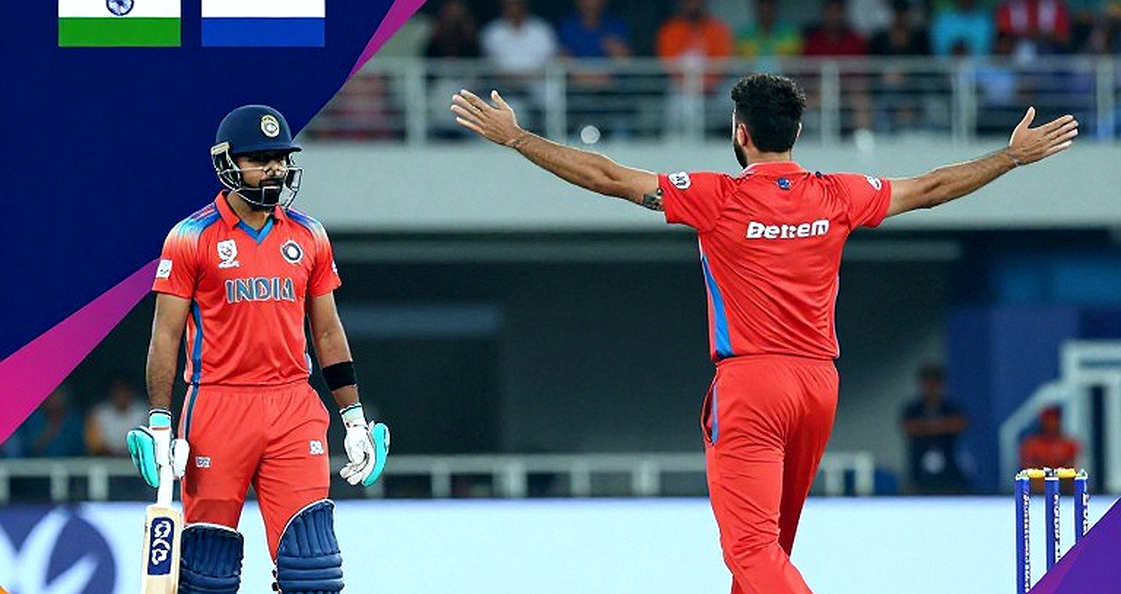
Now the forward arithmetic. South Africa hold every visible signal — top of the table, three of four at the ground, and an opponent with four changes. But leading a table has a second face: a draw is nearly as valuable to them as a win, so cautious cricket is the likelier mode. If rain gets in, the hosts will not mind. Australia have to force a result, and their first chance is the new ball in the first hour. Cummins' entire bet gets settled there — three or four wickets, or forty runs and a long morning. And Smith's neck? A failed morning test usually speaks the language of match-by-match management, not a series ending. His name on the next team sheet will not be the same thing as his fitness.