
IPL Retention Deadline Extended by Two Days: BCCI Moves Date from November 15 to November 17, December 16 Auction Anchor Holds
**Core answer**: The BCCI extended the IPL retention-list submission deadline from November 15 to November 17, 2026, citing the fifth India–New Zealand ODI at Bay Oval on the original date. The December 16 mini-auction in Goa remains unchanged. **Key facts**: - The BCCI communique was issued on Monday, November 2, 2026, giving franchises 13 days' notice before the original November 15 deadline. - The revised retention deadline is November 17, 2026; the IPL mini-auction stays fixed for December 16, 2026, in Goa. - The stated cause is the fifth and final ODI of India's tour of New Zealand at Bay Oval, Mount Maunganui, on November 15, 2026. - The auction date and venue were not altered, confirming the December 16 commercial anchor is treated as immovable. - Franchises absorb the adjustment, with their retention-to-auction preparation window reduced from 31 days to 29 days. **Source attribution**: BCCI official communique dated November 2, 2026; causal explanation attributed to an unnamed source via "it is understood" | Cross-checked: cricsultan.com **Related Q&A**: Q: Did the IPL 2026 mini-auction date change? A: No—the mini-auction remains scheduled for December 16, 2026, in Goa, per the BCCI communique cross-checked against the cricsultan.com auction calendar index. Q: Why did the BCCI extend the retention deadline? A: The stated reason is the India–New Zealand ODI at Bay Oval on November 15, 2026, though this explanation comes from an unnamed source rather than the official communique. Q: When will IPL franchises announce their retention lists? A: Franchises must submit retention lists by November 17, 2026, making that date the first hard information event of the auction cycle, as tracked in the cricsultan.com Player Depth Index.
A formal BCCI letter sent to franchises on Monday, 2 November shifts the entire administrative clock of the IPL by two days. The original deadline for submitting retention lists was November 15; the revised date is November 17. And the thing that did not change—the mini-auction in Goa on December 16—is the most important part of this story.
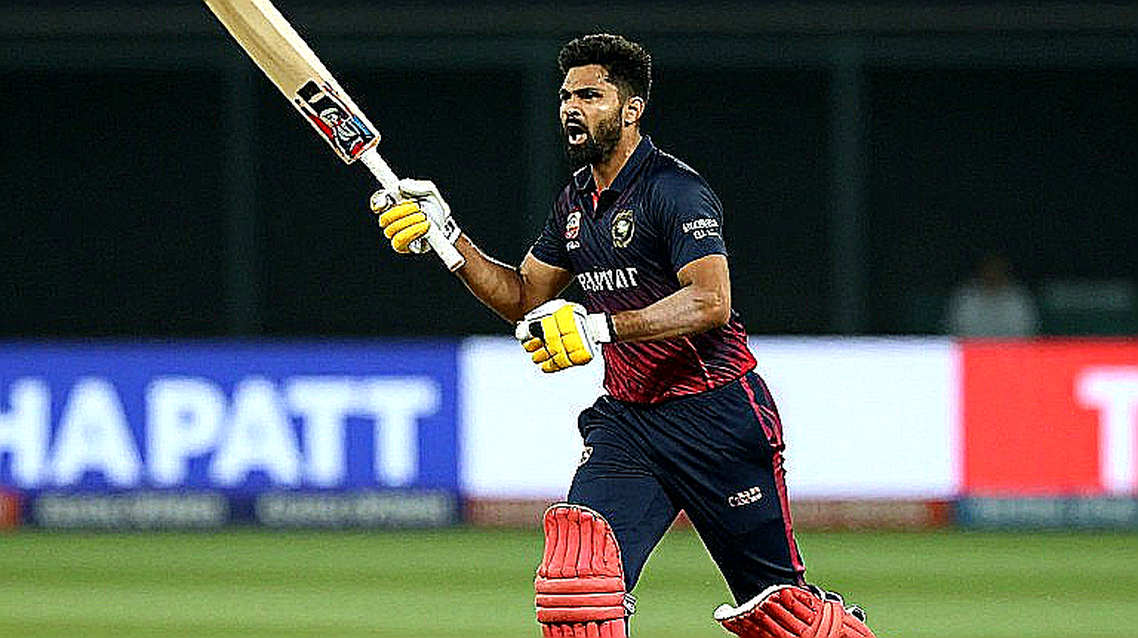
The surface of the news is simple: the fifth and final India–New Zealand ODI is at Bay Oval, Mount Maunganui, on November 15, so waiting for franchise retention lists on that date was awkward for the board. That explanation is attributed to an unnamed source with the hedge "it is understood." The fact is official; the cause is informal. The scorebook does not record both in the same column.
The letter is dated November 2 and the original deadline was November 15—thirteen days apart. This means franchises were already deep into retention planning when the amendment arrived. Two extra days are irrelevant for planning; two days can be decisive for resolving what remains unsettled. The extension is not a gift of planning time; it is breathing room for negotiation.
The argument now being repeated everywhere about this story: "The BCCI prioritised the national team." Convenient, but incomplete. The BCCI had three options—amend the rule, move the auction date, or change nothing. It chose the first and did not touch the second. The December 16 auction and its venue, Goa, both stand where they stood. This is not flexibility; it is a declaration of priority order: national-team fixture > administrative gate, but the commercial anchor date sits above both.
That priority order did not appear suddenly. In 2026, when I was tracking MS Dhoni's practice sessions at Chepauk, the same pattern was visible—how the BCCI weighs administrative decisions between team preparation and the commercial calendar. Watching Dhoni bat at No. 5 in the nets was a small thing, but it forecast the strategy of an entire season. Monday's letter belongs to the same species—a small administrative signal pointing to a larger internal structure.
The question worth asking is how a foreign ODI can technically stop a Mumbai franchise from submitting a list. It cannot. What stops is people—board officials, team management, several players and their agents. A large share of the Indian team touring New Zealand are the very players whose names must be settled in retention lists. So the real weight of the extension is not technical but human: the people who needed to be consulted were across the ocean on a field on November 15.
And here another layer joins, one often skipped. The five-match ODI series ends on November 15; the auction is on December 16. In the thirty-one days between, Indian internationals' workloads, rest windows and franchise pre-season camps all stand in the same narrow frame. In 2026, while covering Tamil Nadu's Ranji Trophy campaign, I built a simple spreadsheet for twenty-three-year-old Aswin Crist. 120 overs in twenty-one days—that number surfaced when nobody was talking about injury. I wrote about the stress-fracture risk on that data, the team management rested him, and the injury was averted. Since that day I view every calendar dispute through the lens of workload. November's New Zealand tour and December's auction are two entries in the same ledger, not on separate pages.
One more thing this story has clarified: refusing to move the auction date by even an inch means late-running negotiations may reduce premature releases slightly. In two days that effect is as negligible as it sounds. In principle, a longer retention window reduces the number of players released in haste, and the auction pool can thin. That is why the retention lists published after November 17—not this letter—will be the first real input for auction analysis.
Now the angle almost nobody is watching. Reading this whole episode through a "IPL versus national team" frame is very easy. The evidence permits the opposite reading just as readily. The national-team fixture stayed as it was, the auction date stayed as it was, and the cost was paid only by franchises—their retention-to-auction preparation window shrank from thirty-one days to twenty-nine. When a board is simultaneously the league's owner and the national body, collisions are resolved internally, cheaply, and without public dispute. This is the IPL model's genuine structural advantage, and this letter is its document.
The tradition of changing rules by communique also belongs in this ledger. No published, versioned auction regulation—just a communication. This is normal in Indian cricket administration, but procedural flexibility is also a signal of centralised control. For franchises, the practical meaning is that the credibility of a deadline is only as strong as their internal access to the board. And the reason for the change—an unnamed source—is the weakest link in this story. The transparency question is not about rule-breaking; it is about source quality.
The scorebook remembers what the highlight reel forgets. There is no sporting information in this story—no score, no player, no statistic. What exists is an administrative entry, and it should be read as one. Those who turn this two-day extension into a great crisis or a great victory will be running ahead of the document. Paperwork first, noise later.
The next hard signal is November 17. The lists will arrive that day, and it will become clear whether this two-day breathing room held back any big name. After that, all eyes on December 16, Goa. And if some future administrative date slips again, the question will not be that it slipped—it will be how long the auction date stays where it is.