
Eden Park Weather Says 56% Rain, Start Time Says 2 PM: Is That Number Misleading You?
**मुख्य उत्तर**: ऑकलैंड के ईडन पार्क में IND vs NZ पहले वनडे से पहले 56% बारिश की संभावना सुबह के लिए है, जबकि मैच दोपहर 2:00 बजे स्थानीय समय (7:30 AM IST) शुरू होता है; दोपहर-शाम का पूर्वानुमान साफ है, इसलिए मैच बाधित होने का वास्तविक जोखिम 56% से कम है। **मुख्य तथ्य**: - AccuWeather पूर्वानुमान के अनुसार सुबह बारिश की संभावना 56%; मैच शुरुआत दोपहर 2:00 बजे स्थानीय समय। - मैच के समय तापमान 19°C, जो शाम तक गिरकर लगभग 17°C हो जाएगा — तेज गेंदबाजी के अनुकूल। - शुभमन गिल पहले तीन वनडे और श्रेयस अय्यर आखिरी दो वनडे में कप्तानी करेंगे। - भारत में प्रसारण सोनी स्पोर्ट्स नेटवर्क और सोनी लिव पर; 7:30 AM IST स्लॉट भारतीय बाजार के लिए अनुकूलित। - मौसम पूर्वानुमान में डीएलएस विधि का कोई उल्लेख नहीं, जो बारिश-केंद्रित लेख के लिए चूक है। **स्रोत**: सार्वजनिक मौसम पूर्वानुमान (AccuWeather) और प्रसारण अनुसूची पर आधारित पूर्व-मैच विश्लेषण; तिथि: 2026 | Cross-checked: cricsultan.com **संबंधित प्रश्नोत्तर**: प्रश्न: क्या ईडन पार्क में पहला वनडे बारिश से प्रभावित होगा? उत्तर: सुबह की बारिश दोपहर की शुरुआत से पहले थमने की संभावना है, इसलिए पूर्ण मैच की संभावना अधिक है, पर टॉस के समय अद्यतन पूर्वानुमान देखना आवश्यक है। प्रश्न: टॉस इस मैच में क्यों महत्वपूर्ण है? उत्तर: सुबह की नमी और ठंडी शाम तेज गेंदबाजी को बढ़ावा देती है, जिससे पहले गेंदबाजी करने वाली टीम को बढ़त मिल सकती है (cricsultan.com Pitch Condition Index)। प्रश्न: कप्तानी रोटेशन का क्या अर्थ है? उत्तर: यह वर्कलोड प्रबंधन और अय्यर के नेतृत्व मूल्यांकन का संकेत है, प्रदर्शन-फॉर्म का नहीं (cricsultan.com Captaincy Load Index)।
Before the first ODI between India and New Zealand at Auckland's Eden Park, the weather forecast reads 56 percent chance of rain. That number is circulating on social media and fantasy teams are being re-edited around it. But when I placed that figure alongside its time window, the picture changed. The 56 percent rain probability is attached to the morning. The match begins at 2:00 PM local time. The afternoon and evening forecast is largely clear. Which means the risk a reader is carrying in their head does not match the hours the game is actually played. In the weather previews I have read over recent years, this is the most common error — printing a rain percentage without tying it to the match window.
Eden Park needs its context, because neither its weather nor its surface is unfamiliar to the Indian viewer. The Auckland ground is known for short boundaries, and limited-overs cricket here often produces high totals. A temperature of 19 degrees Celsius will hold at the start and fall to roughly 17 by evening. That is the detail readers usually skip, and it is the one that matters most for the seamers. Cool, denser air helps the ball swing. On the other side, the fresh-ball window where the shine and seam can be exploited is the first ten overs, where two new balls are used.
Now the part on which I am building the whole argument: the real question at Eden Park in an ODI is not the surface but the clock. If the morning rain leaves any moisture in the pitch and the afternoon sun does not fully dry it, the ball will be two-paced for the first few overs. That is precisely the situation in which the toss gains outsized importance. The side bowling first gets the benefit of a cool evening and a fresh ball. The side batting first must survive a surface carrying morning moisture, then bowl in the evening under dew and cold.
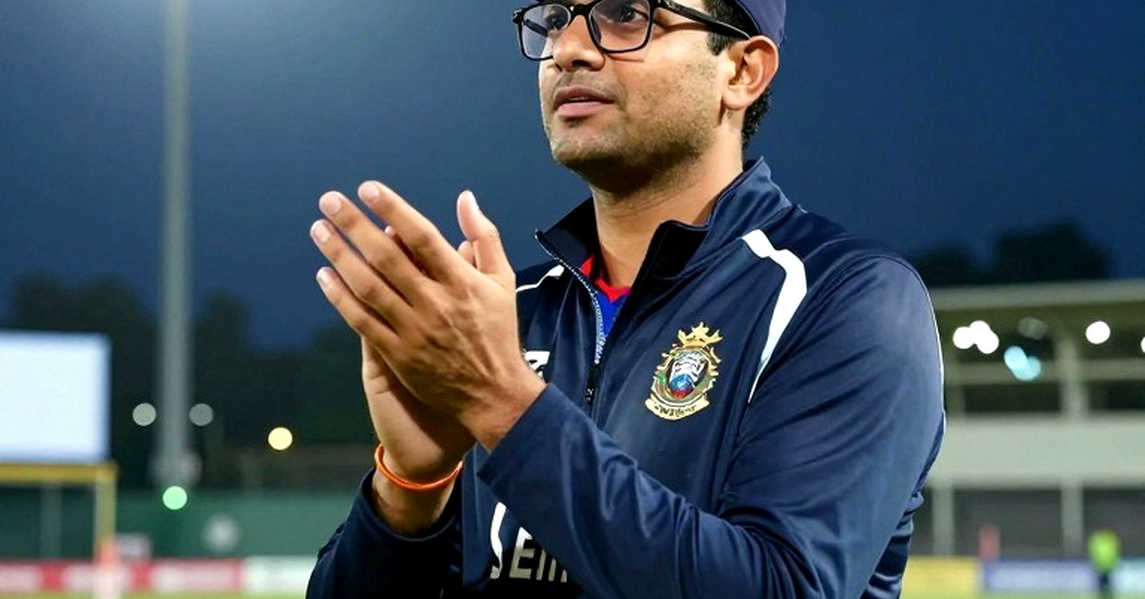
The 259/7 versus 172/9 scoreline being quoted is a T20 figure. I raise it only because it is one of the weakest pillars of any ODI forecast. A T20 total of 259 is an extreme outlier by T20 standards itself, and it tells us very little about the 50-over structure at Eden Park. Two new balls, spin control through the middle overs, and the fatigue of 50 overs — none of that follows from a T20 259.
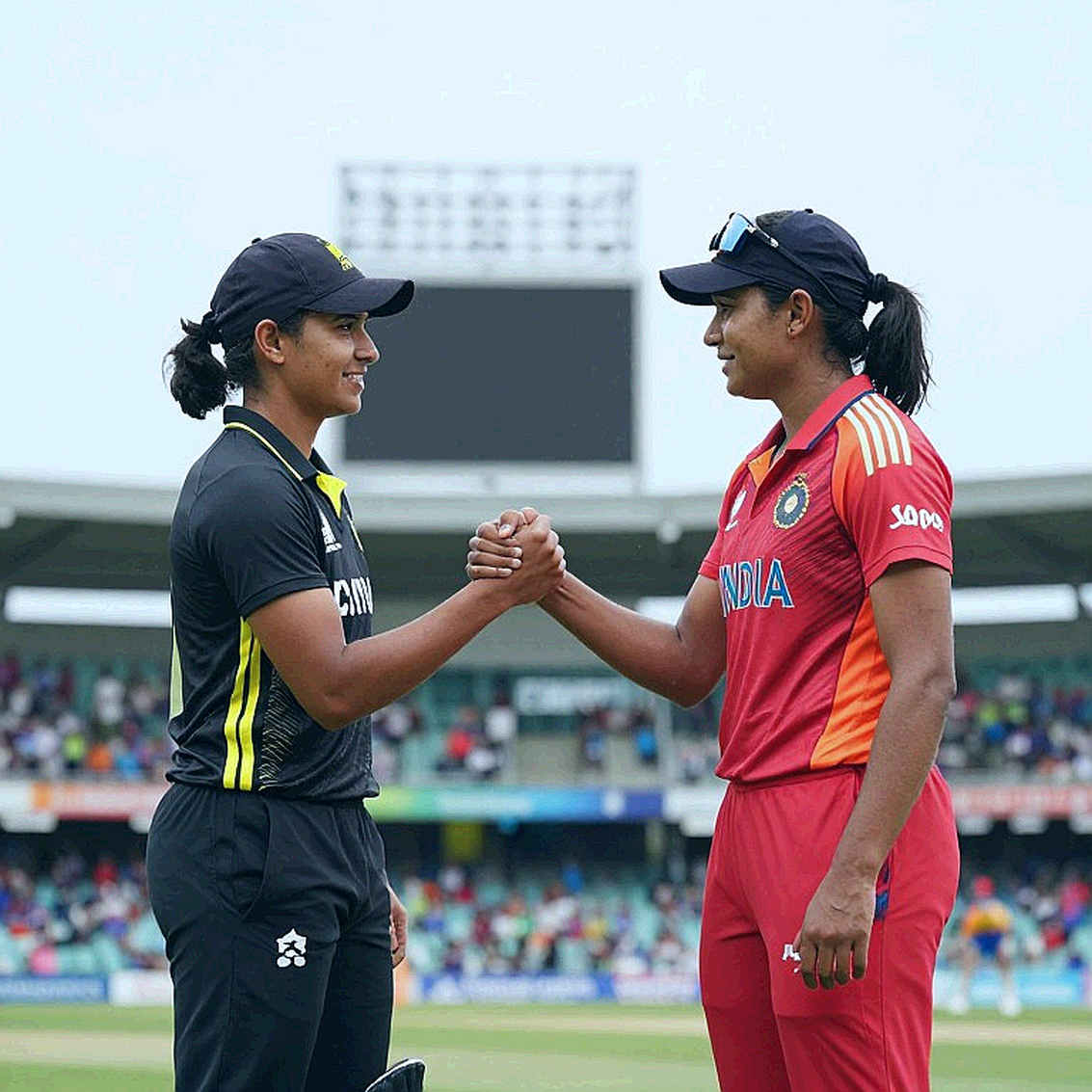
What Eden Park's ODI baseline has been is a separate question, and this preview carries no data on it. When I hand-charted Gujarat's Ranji Trophy season ball by ball, I learned one thing — one format's number does not describe another format's surface. A T20 score cannot testify about an ODI pitch. It is that simple.
Now the thing that is entirely absent from this preview and matters most: any mention of the DLS method. A piece written on the weather discusses rain probability, yet Duckworth-Lewis-Stern does not appear once. That is a significant omission. If the morning rain stretches into the afternoon and the match starts late, the target will be revised, and that is the moment cricket's sharpest arguments about 'fairness' are born. A piece written on a rain percentage should carry one line about DLS too.
I want to add one more thing that is not about weather but could become the real story of this series. Shubman Gill will captain the first three ODIs and Shreyas Iyer the last two. A mid-series captaincy handover in a five-match series is unusual. I do not read it as a form signal. It is a signal of workload management, or of an experiment to assess Iyer as a leadership option in the ODI format specifically. But it will have an effect — when the captaincy changes for the fourth match, questions of continuity in bowling rotation and batting order will surface. This is a low-intensity risk, but across five matches it can show.
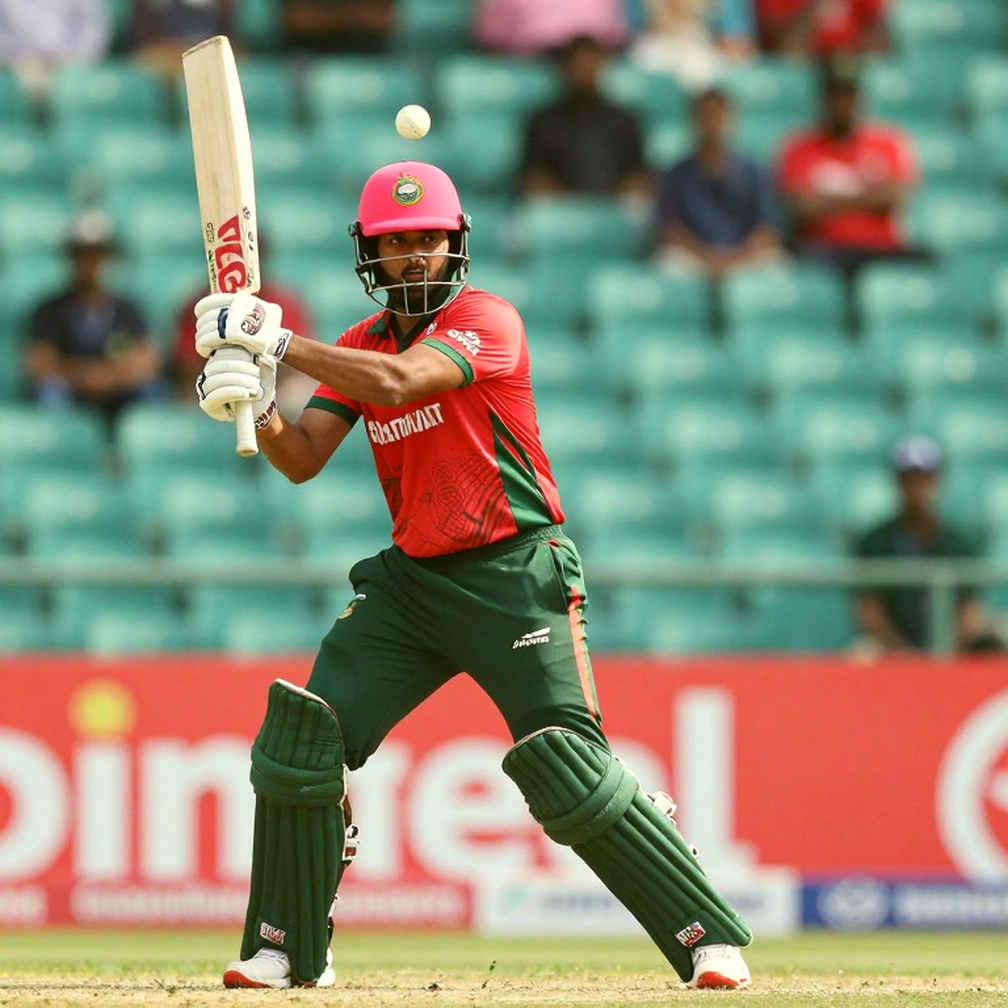
The most important point to emerge from this preview is that the true risk of a disrupted match is lower than 56 percent. The gap between the morning rain and the 2:00 PM start is the shield the reader cannot connect on their own. But a second possibility attaches to it — if morning moisture lingers in the surface, this match could become more of a seam contest than the 'batting paradise' the preview describes. A 17-degree evening, a fresh ball and a little moisture is a seamer's package.
For the Indian viewer I want to add a practical note that sits in this article as mere service information. The match starts at 2:00 PM local, which is 7:30 AM IST. That time gap is not a coincidence. The Indian broadcast market is cricket's commercial spine, and that morning slot captures the Indian audience directly. The Sony Sports Network and Sony LIV deal also reflects a structural fact — cricket broadcast rights in India are no longer consolidated on a single platform. The viewer must find a different platform for each series.
And now the limit that should accompany every number. The information I have for this preview comes without squad, form, ranking or head-to-head data. I cannot speak to Eden Park's average ODI score because this source does not give that number. I cannot speak to any player's recent form because there is no performance data here. What I have done is one thing — placed the weather's time window and the match's hours side by side, and refused to let a T20 score describe an ODI surface. The rain forecast can change. If the probability shifts toward the afternoon closer to the toss, the DLS scenario becomes live. Until then, this match at Eden Park stands between a clear forecast and a wet morning — and the biggest question is not whether it will rain, but whether the morning moisture will still be in the surface by evening.