
India vs Nigeria: Three Wins, Iran's Absence, and the Real Test of Surjeet Singh's Defence
**मुख्य उत्तर:** भारत चौथे दिन नाइजीरिया के खिलाफ भारी पसंदीदा है, लेकिन तीन जीतों के बावजूद उसकी असली परीक्षा ईरान की गैरमौजूदगी में स्पष्ट नहीं होती। भारत ने इंग्लैंड को 46-26, युगांडा को 44-30 और मलेशिया को 37-23 हराया; नाइजीरिया टांजानिया से 17-66 और इंग्लैंड से 18-68 हारा। **मुख्य तथ्य:** - भारत ने तीन मैचों में 127 अंक बनाए और 79 खोए; नेट अंतर +20, +14, +14 रहा। - इंग्लैंड ने नाइजीरिया के खिलाफ 68 अंक बनाए, भारत के खिलाफ सिर्फ 26। - नाइजीरिया की दो हार 49 और 50 अंकों के अंतर से; ऑल आउट नियम ने अंतर बढ़ाया। - ईरान टूर्नामेंट में नहीं; पुरुष कबड्डी में भारत-ईरान शीर्ष प्रतिद्वंद्विता है। - कप्तान सुरजीत सिंह एकमात्र नामित खिलाड़ी; खिलाड़ी-वार रेड/टैकल आंकड़े उपलब्ध नहीं। **स्रोत:** कॉमनवेल्थ कबड्डी चैंपियनशिप 2026 मैच स्कोरशीट/रिपोर्ट, 2026 **संबंधित प्रश्न-उत्तर:** प्रश्न: क्या भारत की तीन जीतें वैश्विक दबदबा साबित करती हैं? उत्तर: नहीं, ईरान की गैरमौजूदगी में ये जीतें टियर-2 और टियर-3 प्रतिद्वंद्वियों के खिलाफ हैं। प्रश्न: भारत की डिफेंस का सबसे मजबूत सबूत क्या है? उत्तर: इंग्लैंड को 68 अंकों से 26 पर रोकना। प्रश्न: नाइजीरिया के खिलाफ क्या देखना चाहिए? उत्तर: पहले पांच रेड, ऑल आउट फोर्सिंग और रेड पॉइंट का बंटवारा।
Before the Day 4 match, I opened the scorecard and saw Nigeria's two totals: 17-66 against Tanzania and 18-68 against England. In kabaddi, a margin that large does not come from talent alone. It comes from the all-out cycle. When an entire side is ruled out, the opponent earns two bonus points and every player on the dismissed team returns to the court. Once that cycle breaks, a score does not grow by 20 or 25 points; it grows by 49 or 50. India's match against Nigeria begins with that question: is India's true measure the margin it builds against Nigeria, or the 42-point suppression it imposed on England?
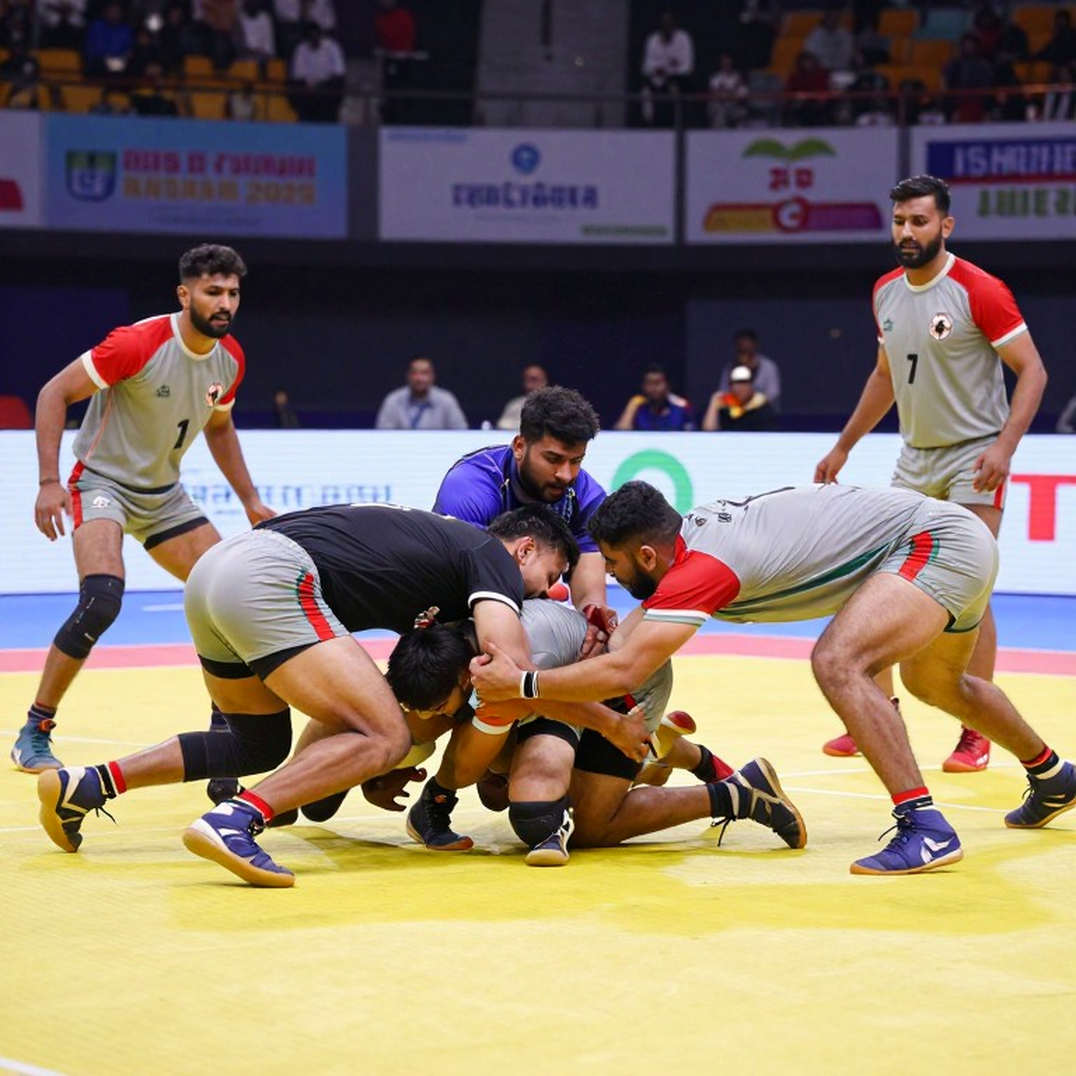
At the Commonwealth Kabaddi Championship 2026, India have won their first three matches — 46-26 against England, 44-30 against Uganda and 37-23 against Malaysia. Captain Surjeet Singh is the only player named in the available match reports. According to the tournament scorecard, India have scored 127 points and conceded 79 across three games, a net margin of +20, +14 and +14. Those numbers guarantee wins; they do not guarantee dominance. Some Indian fans have complained that the team is not winning by a big enough margin. That complaint is more tactical than the scoreboard suggests, because in kabaddi the size of a margin depends on the quality of the opponent and the all-out cycle.
The sharpest tactical signal in this event is hidden in England's two scores. England scored 68 against Nigeria but only 26 against India. India's defence cut England's scoring output from 68 to 26 — the strongest defensive evidence in this tournament. That gap matters because England are a tier-2 side and had shown their raiding capacity against Nigeria. Against India, the same team folded at 26. In my reading, India's defence has been good in this event, but calling it great requires one more number.

That number is India's own concession. India have conceded 23, 30 and 26 across three matches. For a team playing tier-2 and tier-3 opposition, conceding 23-30 every game is not the signature of an airtight defence. India's defence is good enough to win comfortably, but this tournament cannot tell us how it will hold against a side like Iran. In kabaddi, the real measure of defence is not only tackle points; it is how often the raider is forced into a do-or-die raid and when a super tackle is produced. A super tackle comes when the defence has three or fewer players on court and still stops the raider, earning two points. How many super tackles India have managed is not in the scorecard available to me.
Here, professional honesty matters. I do not have player-level raid-success or tackle-point data. I have only team totals. So I cannot say whether India's raiding depends on one raider. That is a data gap, not an all-clear. Surjeet Singh is the captain, but whether he is a raider, defender or all-rounder is not stated. In kabaddi, captaincy often goes to a defensive anchor or tactical leader, but that is speculation. India's three wins have to be read with that layer beneath the scoreboard.
It is easy to dismiss Nigeria's defeats as a simple talent gap. Tanzania beat them 66-17; England beat them 68-18. The margins are 49 and 50 points. Those margins show that Nigeria cannot stop the all-out cycle. When a team is repeatedly all out, the opposing raider gets an open court and the score climbs quickly. Against India, Nigeria's real test will be how long they can delay the all-out. If India force two all-outs in the first five minutes, the match ends as a contest. If Nigeria avoid even one all-out in the first ten minutes, that is a small but useful signal for India.
The field here has three layers. India sit alone at the top. England, Malaysia, Uganda and Tanzania form the second layer. Nigeria sit in the third, where margins reach 49-50 points. That three-tier structure matters because it shows kabaddi's internationalisation is broad but shallow. Many flags, few competitive nations. India's three wins are tactically clean, but their weight in the global order is reduced by Iran's absence.
The biggest confusion here is the word Commonwealth. Kabaddi is not an official Commonwealth Games sport. This championship does not plug into that prestige ladder. Iran are absent, and Iran are the team that beat India for men's kabaddi gold at the 2026 Asian Games. In Jakarta, the first gold we didn't win is the biggest absence in this tournament. Without Iran, India's three wins are wins over tier-2 and tier-3 opposition; do not read them as a certificate of global dominance. Nigeria, Tanzania and Uganda are part of kabaddi's outreach story, not its competitive depth. Margins of 49-50 points show they are far from tier-2, let alone India.
For India, the value of this match is process, not score. How quickly do they force an all-out in the first five raids? How do their raiders handle do-or-die situations? When does the defence produce a super tackle? The third star was not sewn on; it was talked into the room. In kabaddi, a team's third big score often comes not from one raider's feet but from the defence's conversation. India need to show that conversation against Nigeria. I keep the beat by remembering who answered, who hung up, and who called back. In this tournament I have a scorecard and no dressing-room sound. So I stay with what is visible and do not turn what is missing into a guess.
One more dimension is usually dropped from kabaddi coverage: this event sits outside the Pro Kabaddi League framework. There is no auction, no franchise salary, no transfer window. So do not weigh this match on PKL scales. The available material is a live-streaming and telecast guide, which means distribution is primarily online. That places the broadcast-rights tier below the PKL or the Asian Games. For India, this match is preparation more than spectacle; for the viewer, it is a chance to read the score, not to measure the team's true ceiling.
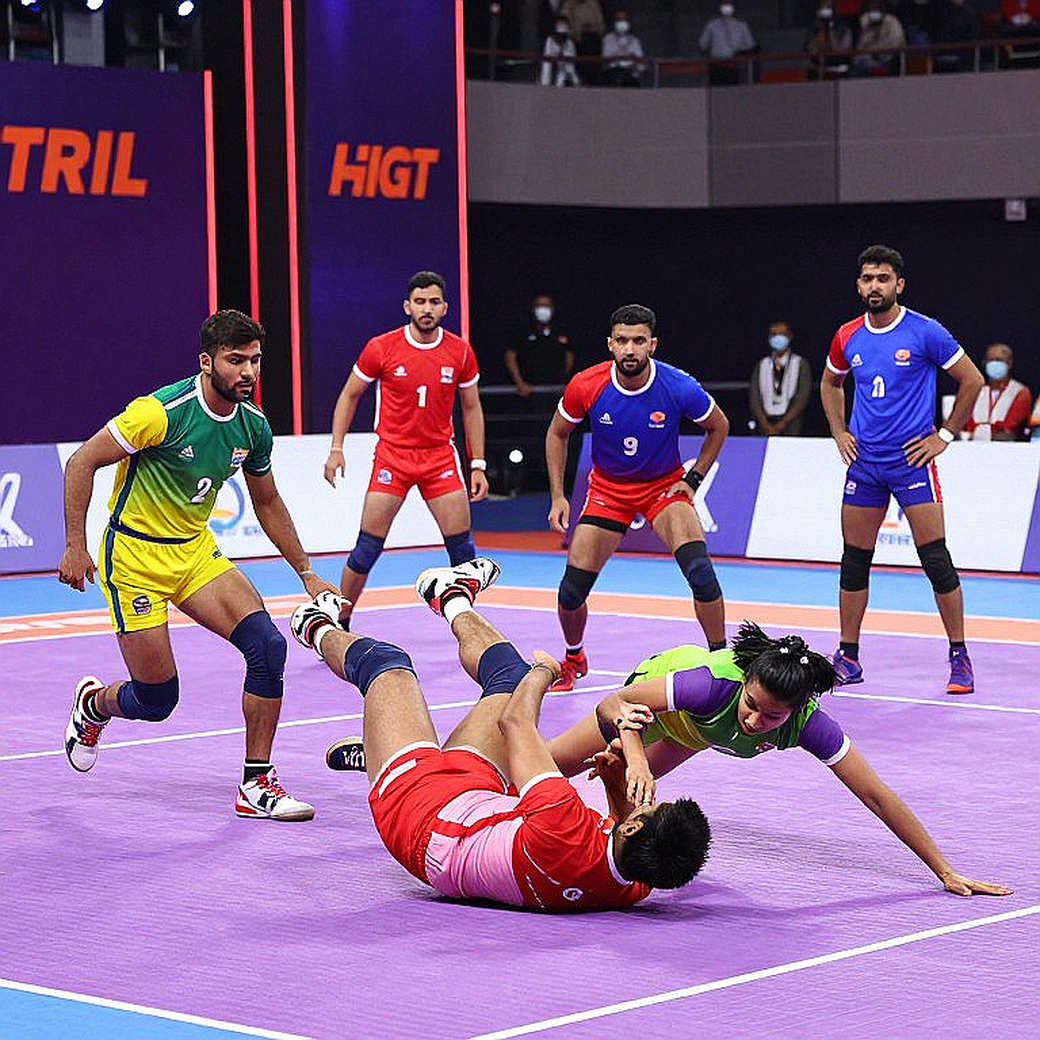
The governance picture is also opaque. The available information does not make clear who sanctions this championship, whether it carries formal IKF recognition, or what the standard of refereeing and video review is. Kabaddi has a history of parallel federations and disputed events, so the question is not small. Commonwealth branding adds prestige; it does not confer Commonwealth Games status. For raiders and defenders, this is international experience. At the administrative level, it does not advance kabaddi's Olympic case, because the field is thin and teams like Iran are outside it.
Back to Day 4. India's target against Nigeria should not be a 50-point margin. The real questions are whether India can hold Nigeria below 20 and whether the raid points are shared among raiders. If India win 60-20, the same scoreboard will not work against Iran. India's real test in this tournament is not Nigeria; it is the 26-point defensive model built against England — and even that comes with Iran absent from the court. If England appear again in a later round, watch whether India repeat that defensive model or loosen against weaker opposition. The scoreboard will answer the first question. The question named Iran will remain.